
Guna Language – Dulegaya: The Voice of the Islands
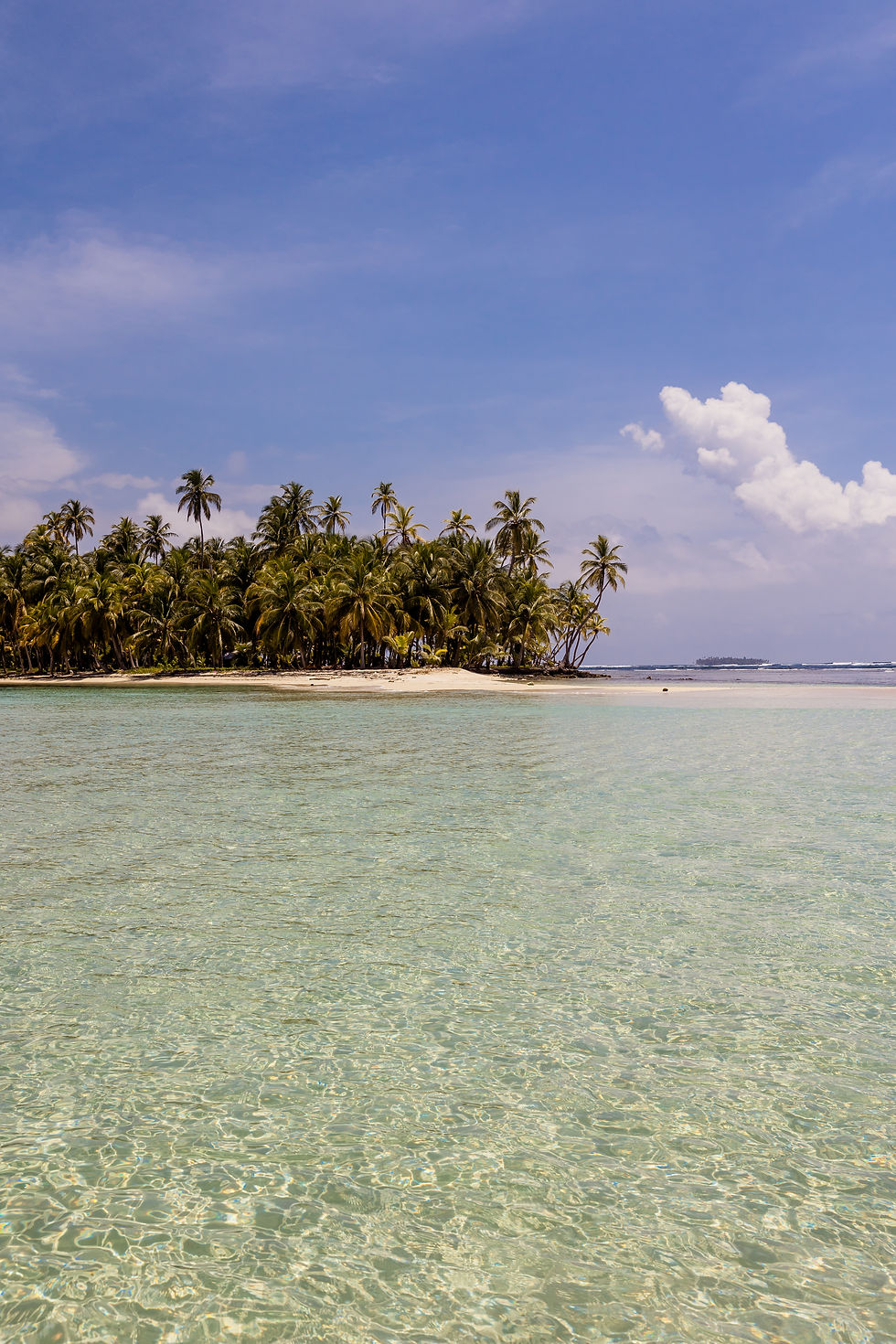
The Guna language, known as Dulegaya, is one of the most essential pillars of Guna culture. It is more than just a way to communicate; it’s the way they see the world. Spoken across the islands and mainland communities, Dulegaya carries stories, memories, and centuries of connection to the land and sea.
For the Guna, language is a core part of their identity. Every word holds a piece of their history, and each phrase reflects a worldview centered on balance, respect, and connection. Travelers are always pleased to learn that even a single word in Dulegaya can open doors, bring smiles, and show respect for the community. Some simple phrases include:
“Naa” — Hello
“Nuedi” — Thank you
“Dii” — Water
“Dule” — Person / Guna person
“Nele” — Wise person / spiritual guide
“Muubilli” — Sea
Even these small words carry more meaning than their translations suggest. For instance, “Dule” doesn’t just describe an individual; it conveys a sense of belonging to a community with shared traditions, responsibilities, and cosmic connections origins.
The language protects oral traditions — Guna myths, songs, chants, and ceremonies that live in Dulegaya. When elders tell stories about spirits, the sea, or the origins of the islands, they use specific words that don’t exist in Spanish or English.
If a language disappears, so do the meanings behind those stories. This tongue also influences how the Guna perceive nature. In Dulegaya, many words describe relationships rather than objects. For example, the word for sea (muubilli) actually means grandmother. It is linked to ideas of protection, life, and movement — not just a body of water. The language teaches that nature is alive and interconnected with daily life.
When travelers visit Guna Yala, learning even a little about Dulegaya helps them connect with the community and shows respect for a culture that has protected these islands for hundreds of years. Saying “Nuedi” or “Naa” is more than politeness — it’s an acknowledgment of the people who have lived in harmony with this land and sea long before tourism arrived.


Comments